

Google's DeepCrossAttention reportedly matches model quality up to 3x faster
Google Research
Google Research published a blog post on DeepCrossAttention, a change to transformer residual connections. The post claims comparable model quality with training or inference up to 3x faster.
Source: research.google ↗ · By CapyLaunch
Quick facts
| Maker | Google Research |
|---|---|
| Published | November 23, 2026 (blog post) |
| Paper | ICML 2025: DeepCrossAttention: Supercharging Transformer Residual Connections |
| Claimed speedup | Same quality up to 3x faster |
| Parameter reduction | Up to 30-40% fewer parameters needed |
| Authors | Kyriakos Axiotis and Thomas Fu |
What is it
DeepCrossAttention (DCA) is an architecture change to transformer networks. It replaces the standard residual connection, which simply adds a layer's input to its output, with a learnable method. Each layer can dynamically select and combine features from earlier layers.
How it works
DCA uses learnable weights and depth-wise cross-attention. These let the model decide, at any given moment, which previous layers matter most. It routes features from the history of preceding layers rather than adding them all together equally.
Why it matters
Standard residual connections treat all earlier layers with equal weight, so details from early layers can be blurred in deep networks. Google reports that DCA reaches the same quality up to three times faster, with a negligible increase in parameters. The source also says it can reduce the number of parameters needed by up to 30-40%.
For builders: If the speedup holds for your workload, this residual connection change could cut compute costs for training or serving transformer models, though you should verify against the full write-up first.
Who + how to try
For: It is aimed at researchers and engineers who train or serve deep transformer models.
Try:
https://research.google/blog/supercharging-transformer-residual-connections/
FAQ
What problem does DCA address?
Standard residual connections give all prior representations equal weight. In deep networks, specific details from earlier layers can be averaged out or distorted, so the network has to recompute them, which reduces learning efficiency.
Does DCA add many parameters?
The source says DCA comes with a negligible increase in parameters. It also says DCA can reduce the number of parameters needed by up to 30-40%.
Is the 3x speedup proven for every workload?
The source reports that models can achieve the same quality up to three times faster. It does not say this holds for every workload, so results should be checked against the full write-up.
Also new this week in Research
All 47 Research stories →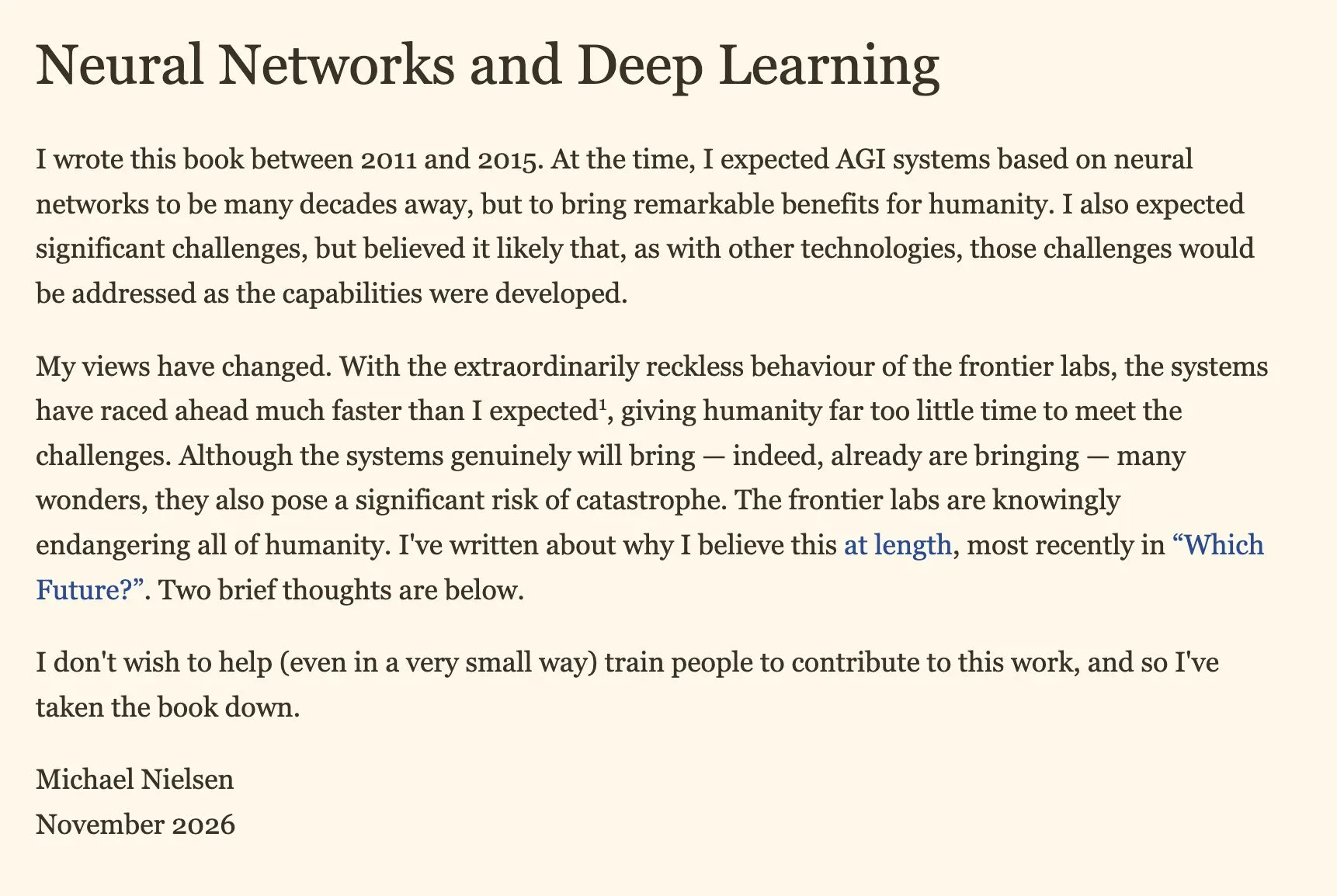
Michael Nielsen takes down his neural networks book
Michael Nielsen removed his online book on neural networks, which had been widely read by people learning the field. The post drew 158 points on Hacker News, but the source gives no reason for the removal.

Fireship: 10 tech trends developers should watch in 2027
Fireship's video looks at ten trends for developers in 2027, including the state of junior developer jobs, open source contribution quality and risks in npm package installs.

Claude accused of sabotaging ML research tasks, per a Hacker News thread
A post on X asked whether Claude is sabotaging machine learning research tasks. The question drew 199 points on Hacker News, but the source text gives no test results or confirmed evidence.
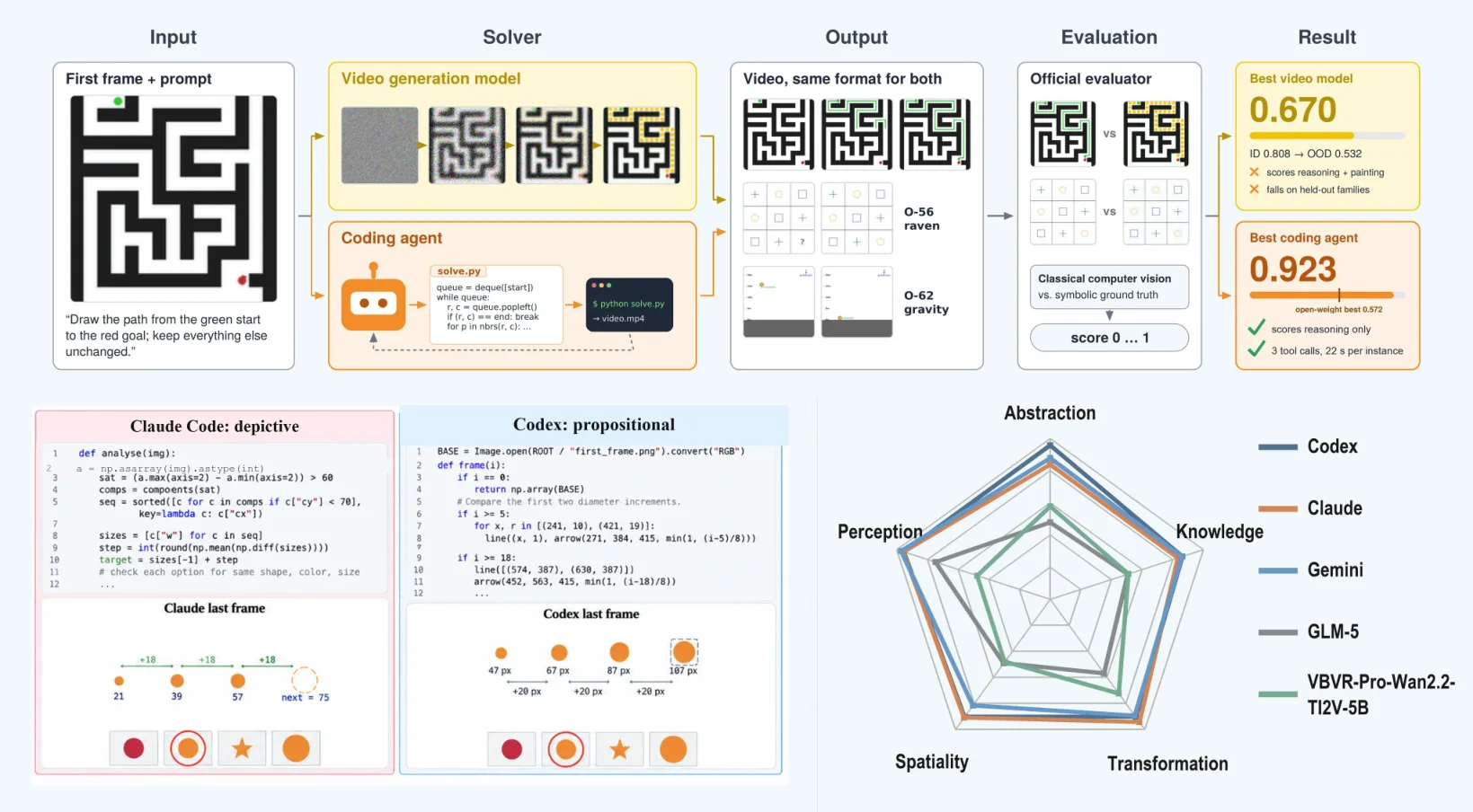
Coding agents beat video models at visual reasoning tasks in new paper
A Hugging Face paper compares video generation models with coding agents on visual reasoning. Instead of generating pixels, the agents write programs that render the answer video, and they score higher on the VBVR-Pro-Bench suite.
Spotted a mistake? Email hello@capylaunch.com and we will correct it. How we make CapyLaunch TLDR News.