

Hacker News: The group chat where your AI talks behind your back
construct22.com
A post on construct22.com about AI assistants in group chats was discussed on Hacker News, reaching 253 points. The source text gives no further detail on the claims.
Source: construct22.com ↗ · +1 more ↓ · By CapyLaunch
Quick facts
| Source | construct22.com, discussed on Hacker News |
|---|---|
| Hacker News points | 253 |
| Models named | ChatGPT, Claude, Gemini, Llama, Codex, DeepSeek, Perplexity |
| Access | Static page, no tracking, no cookies, no sign-up |
What is it
A web page that gives people a prompt to paste into AI assistants such as ChatGPT, Claude or Gemini. The prompt asks the model to invent a hidden group chat where other AI models gossip about the user, using what it has learned from past conversations. The page shows example outputs, including one shared by a real person and translated from Turkish.
How it works
The user pastes a single prompt into an assistant that has been accumulating chat history. Instead of summarizing, the model invents a group chat, adds other AI models as members, and has them discuss the user based on earlier conversations. The page says the output is fictional or illustrative, except for one example shared with permission.
Why it matters
The page shows that an assistant with access to chat history can produce personal, pointed text about the user it serves. For builders, this is a reminder that stored user context can surface in output in ways users may not expect. The source says nothing about how the models use this data beyond the prompt's effect.
For builders: If your product puts an AI agent into shared chat spaces, consider how it handles context and who can see what it says.
Who + how to try
For: Anyone curious about how AI assistants use chat history, and builders who want to see what their own assistant might produce from stored context.
Try:
FAQ
What does the prompt ask the assistant to do?
It asks the model to expose a hidden WhatsApp group chat where AI models talk behind the user's back, based on what it knows about that user.
Is the example output real?
The page says most examples are fictional and for illustration only. One real result was shared by a person with permission, translated from Turkish, with names and identifying details replaced.
Why does this matter for product builders?
The page suggests that assistants with accumulated chat history can surface personal details in generated text. Builders should consider how stored user context is used and shown.
Also new this week in Research
All 42 Research stories →
Vernier: a method for measuring how well forecasting leaderboards separate models
A paper introduces Vernier, a tool that computes the resolution of time-series forecasting leaderboards from their published files. It finds that many top-ranked gaps on popular boards are smaller than the boards can reliably detect.
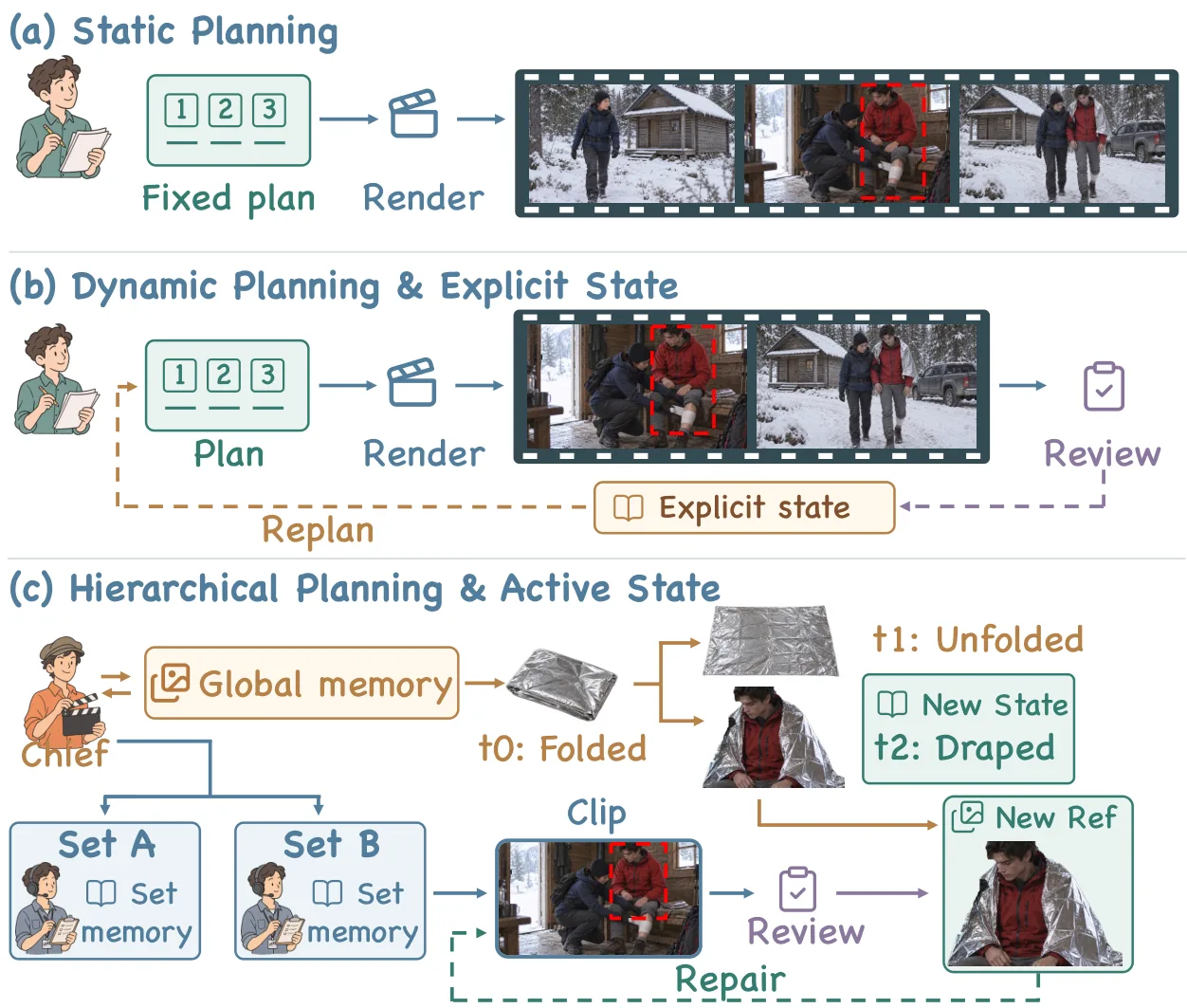
StateWeaver: multi-agent method for consistent long-form video generation
Researchers introduce StateWeaver, a multi-agent workflow for long video generation. It tracks story-state changes across shots and repairs visual references so characters and scenes stay consistent over time, and reports outperforming existing methods on several benchmarks.
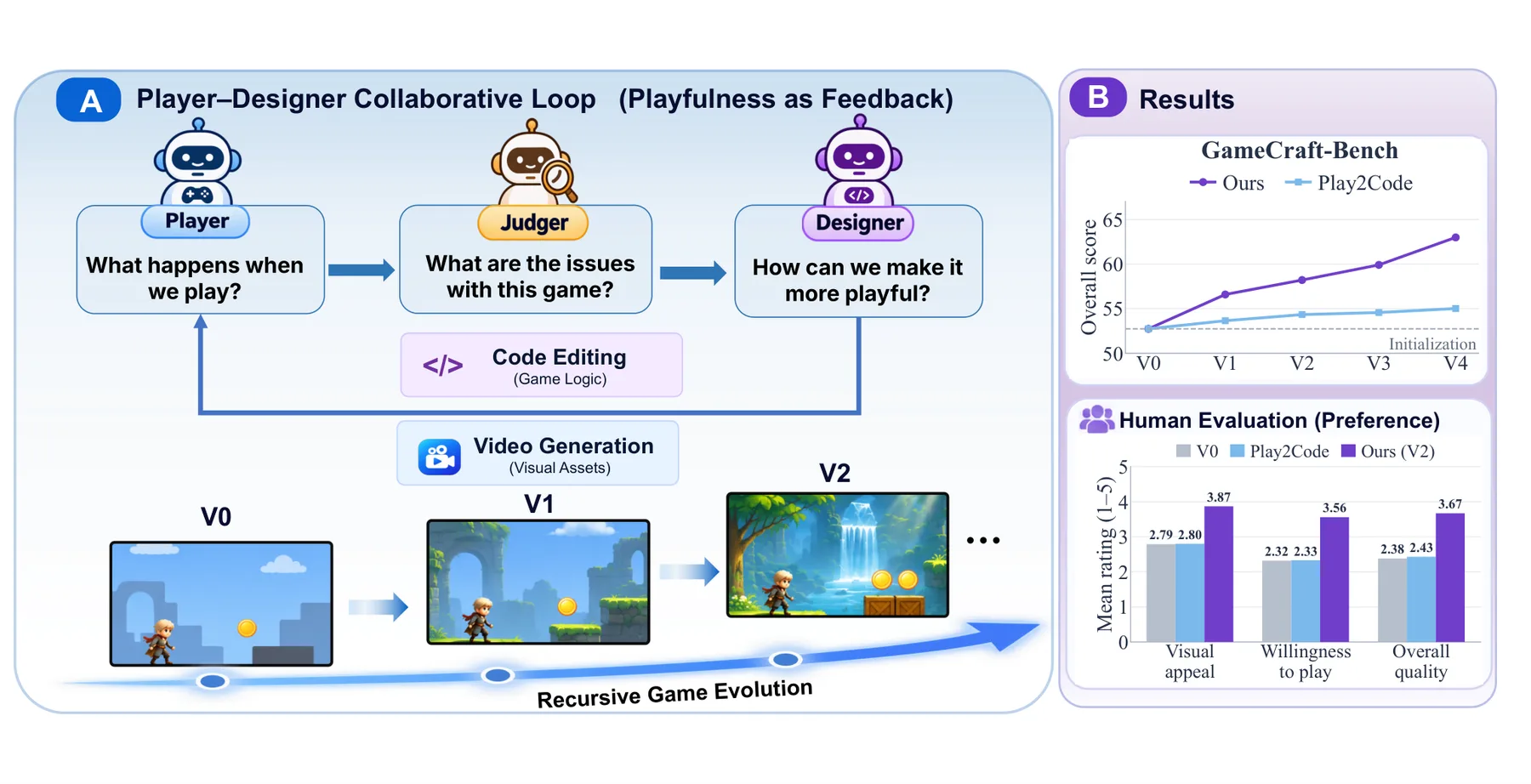
Play2Evolve: agents use playtesting feedback to build better games
Play2Evolve is a recursive framework where coding agents playtest the games they generate, then fix bugs and improve visuals and gameplay. It combines a video generation model with code for game assets and reports top scores on the GameCraft-Bench evaluation.
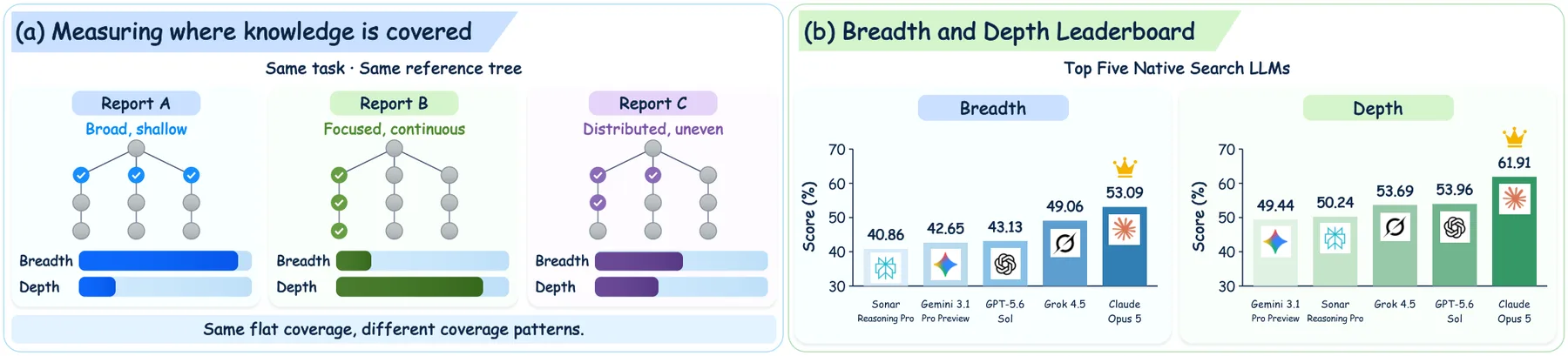
DRBench Pro measures how thoroughly deep research agents cover a topic
DRBench Pro is a benchmark that scores deep research agents on knowledge coverage, measuring breadth across research directions and depth along related chains. It includes 144 cases across 24 domains and 44,102 rubrics, and the best of 16 evaluated agents reached 57.04% overall coverage.
Spotted a mistake? Email hello@capylaunch.com and we will correct it. How we make CapyLaunch TLDR News.