

Vernier: a method for measuring how well forecasting leaderboards separate models
Arya Sikder and Sriram Pillutla
A paper introduces Vernier, a tool that computes the resolution of time-series forecasting leaderboards from their published files. It finds that many top-ranked gaps on popular boards are smaller than the boards can reliably detect.
Source: huggingface.co ↗ · By CapyLaunch
Quick facts
| Type | Research paper with released tool |
|---|---|
| Paper | Hugging Face Daily Papers, published 2026-11-23 |
| Tool | Vernier, released on GitHub |
| GIFT-Eval | Resolves 6.8 rank places; neighbours sit 0.91 apart |
| BOOM | Only board that resolves its top ten; 2,554 series |
| Reordering | 43 top-ten pairs reversed across four boards, in one update in seven |
What is it
Vernier is a tool that measures how well a forecasting leaderboard can tell models apart. It computes what the authors call the resolution of a board, meaning the smallest difference in score that the board's datasets can detect. It works from the files a board already publishes, and it can report which entries a board cannot separate from its leader.
How it works
Vernier reads the per-dataset scores a leaderboard publishes and computes the board's resolution from them. It then checks which entries fall within that resolution of the leader and whether the order changes when unrelated submissions are added. The authors say it runs this report with one command.
Why it matters
Developers often choose a time-series model by its leaderboard rank. The paper finds that many top-ranked gaps on popular boards are smaller than the boards can reliably detect, so the order may not be meaningful. The paper also reports that rankings can shift when other parties submit, even when neither entry was rerun.
For builders: If you pick a time-series model by its leaderboard rank, check whether the score gaps are larger than the board's resolution before trusting the order.
Who + how to try
For: Builders who pick time-series forecasting models using public leaderboard rankings.
Try:
FAQ
What is the resolution of a leaderboard?
The paper defines it as the smallest difference in score that a leaderboard's datasets can detect. Score gaps smaller than this cannot be reliably ordered.
Are the top rankings on GIFT-Eval reliable?
The paper says GIFT-Eval resolves 6.8 rank places, while its displayed neighbours sit 0.91 apart. The ten places of its top ten hold fewer than two resolvable steps.
Which leaderboard resolves its top ten?
According to the paper, BOOM is the one board that resolves its top ten, with each of its 2,554 series counted as an independent source.
Does the rank order change when new models are added?
The paper reports that below the resolution, the order depends on who else submitted. Across four boards, rules that rank against the pool reversed 43 top-ten pairs with neither entry rerun.
Does history length matter?
On 70 configurations, the paper found that shortening the history a model receives raised the error of three of four open models, two of them by 15%.
Also new this week in Research
All 41 Research stories →
StateWeaver: multi-agent method for consistent long-form video generation
Researchers introduce StateWeaver, a multi-agent workflow for long video generation. It tracks story-state changes across shots and repairs visual references so characters and scenes stay consistent over time, and reports outperforming existing methods on several benchmarks.
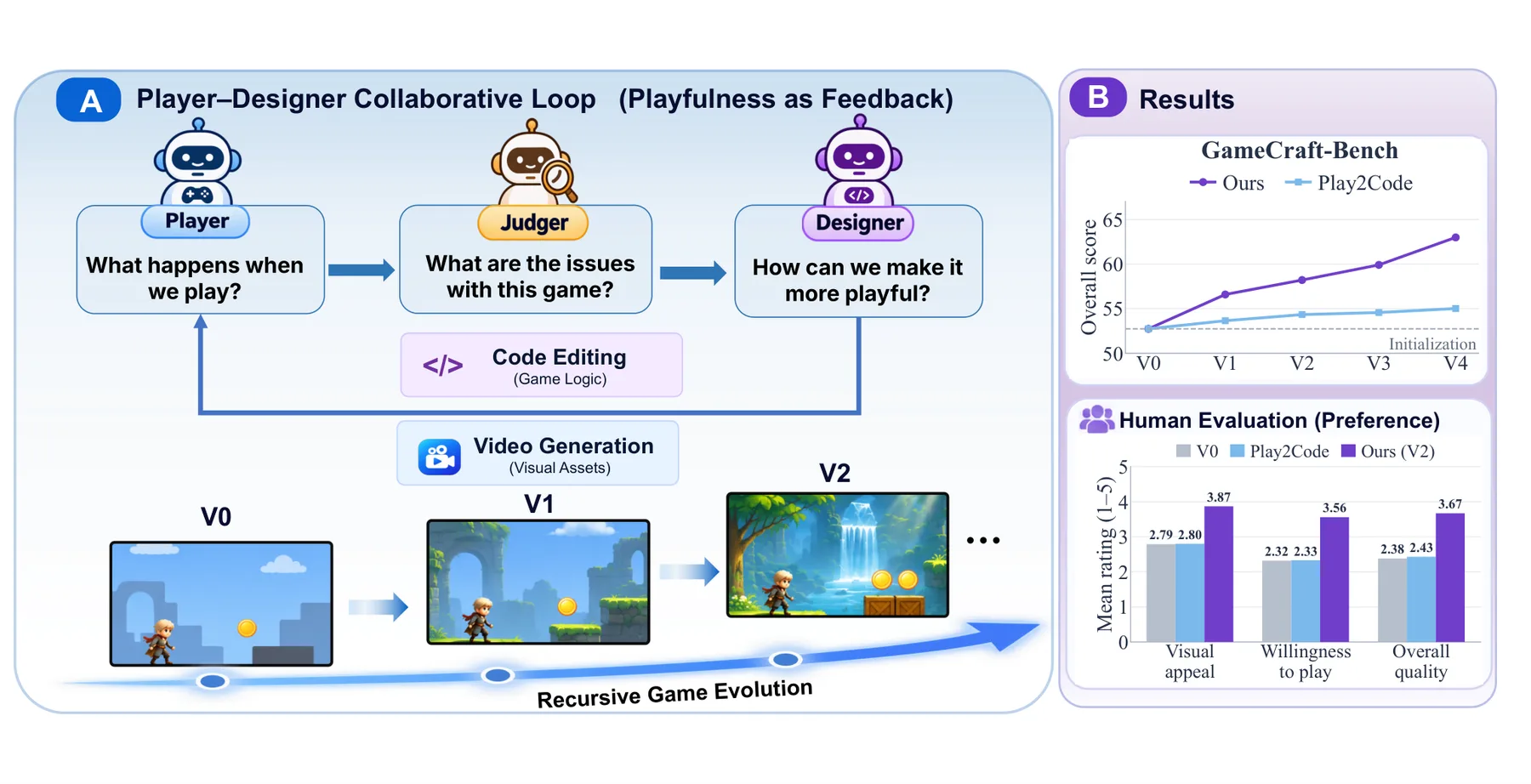
Play2Evolve: agents use playtesting feedback to build better games
Play2Evolve is a recursive framework where coding agents playtest the games they generate, then fix bugs and improve visuals and gameplay. It combines a video generation model with code for game assets and reports top scores on the GameCraft-Bench evaluation.
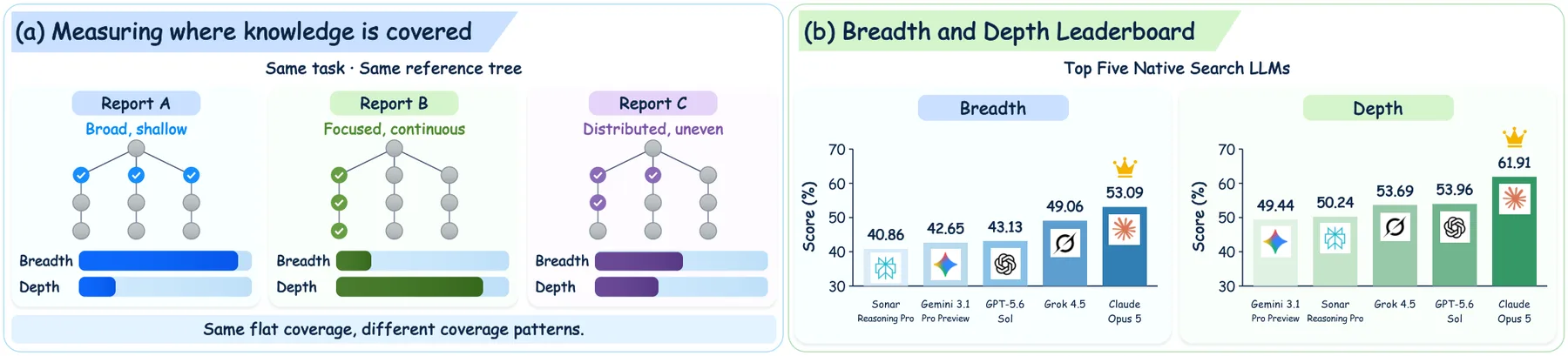
DRBench Pro measures how thoroughly deep research agents cover a topic
DRBench Pro is a benchmark that scores deep research agents on knowledge coverage, measuring breadth across research directions and depth along related chains. It includes 144 cases across 24 domains and 44,102 rubrics, and the best of 16 evaluated agents reached 57.04% overall coverage.
Site tracks diseases said to be cured by AI
A new website called Disease Cured by AI collects claims that AI has cured diseases. It drew 246 points on Hacker News, but the source gives no details of the individual claims.
Spotted a mistake? Email hello@capylaunch.com and we will correct it. How we make CapyLaunch TLDR News.