

Hugging Face explains how to build, train and evaluate multi-agent systems
Hugging Face
Hugging Face published a guide covering how to build, train and evaluate systems made of multiple AI agents working together. The source text provided is only a title, so details beyond that are not confirmed here.
Source: huggingface.co ↗ · By CapyLaunch
Quick facts
| Published | November 26, 2026 |
|---|---|
| Format | Blog post, part 1 of a series |
| Example cost | About five hours on two H200s, roughly $50 |
| Example setup | Four agents, one shared language model |
| Platform | Hugging Face Jobs |
What is it
Hugging Face published a blog post titled "Swarms, Flocks, Gangs: How to build, train, and evaluate multi-agent systems." It is the first part of a series that aims to show readers how to build their own agent swarms. Each post pairs background context with reproducible examples that run on Hugging Face Jobs.
How it works
The first example uses four agents sharing one language model on a simple task that can be checked automatically. The agents are trained with a shared team reward, and the post compares a trained team with simply retrying a single agent. The series also treats agent count as a scaling dimension, alongside tokens and model size.
Why it matters
Multi-agent systems are hard to get working, because adding agents changes context, budget and overall complexity. The post argues that communication between agents is not automatically a performance boost, and that models may need training to learn to communicate. For builders, it frames a practical test: compare communicating agents with independent ones at matched budgets.
For builders: If you are designing agent-based products, this guide may offer a starting framework for structuring, training and testing multi-agent setups.
Who + how to try
For: Developers, indie makers and founders who want to build and train their own multi-agent systems, ideally with small and affordable models.
Try:
FAQ
Does adding more agents automatically improve results?
Not necessarily. The post says mixing agents' context through communication is not an inherent performance boost compared to a single agent. The model needs to learn to communicate through training, and the results depend on the task, the model and how the work is divided.
How much does the first example cost to run?
The post says the example takes about five hours on two H200s and costs roughly $50.
What is the first example?
It starts with four agents, a shared language model and a simple verifiable task, which the post describes as ideal to implement, tinker with and learn from.
What hardware and platform does the example use?
The reproducible examples run on Hugging Face Jobs, and the first one uses two H200 GPUs.
Also new this week in Research
All 36 Research stories →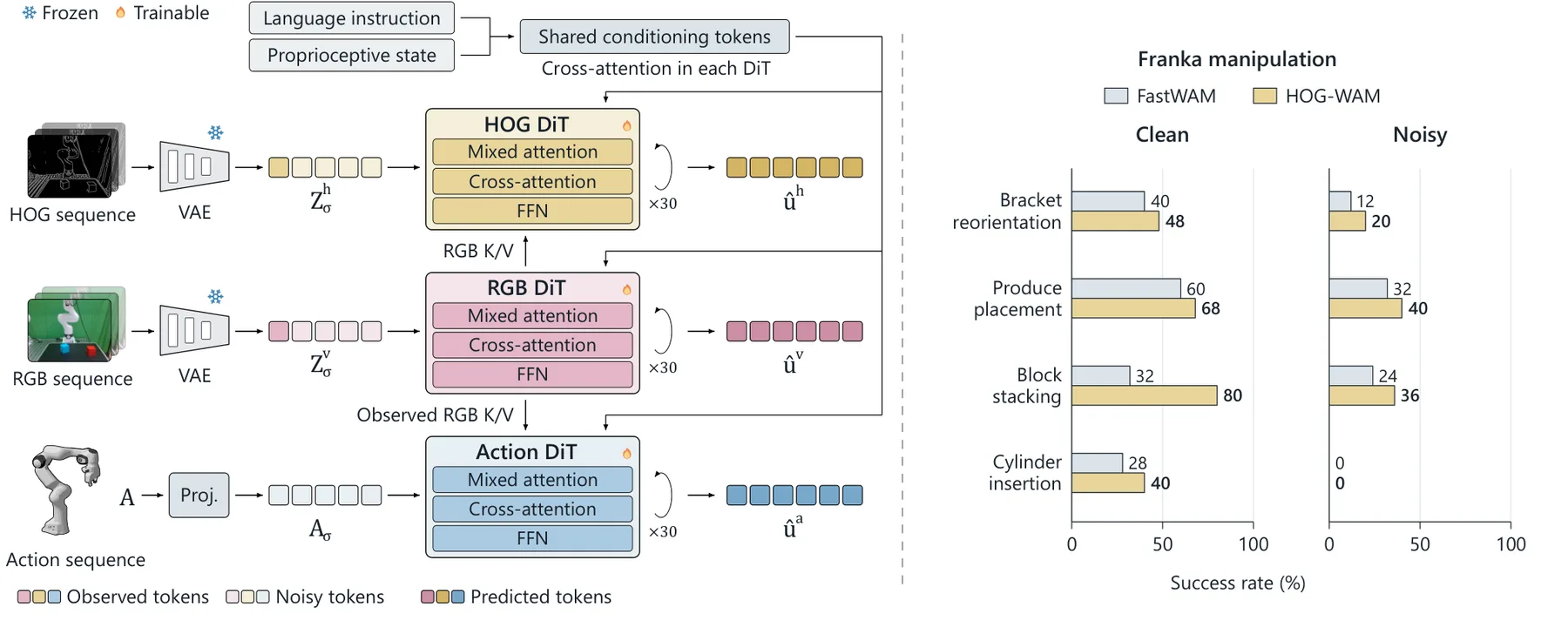
HOG-WAM: gradient-based training signal makes robot policies sturdier
HOG-WAM adds future Histograms of Oriented Gradients as an auxiliary training target for a world-action robot policy, and removes the module at inference. It reports higher success than FastWAM under four visual corruptions and on LIBERO Plus.
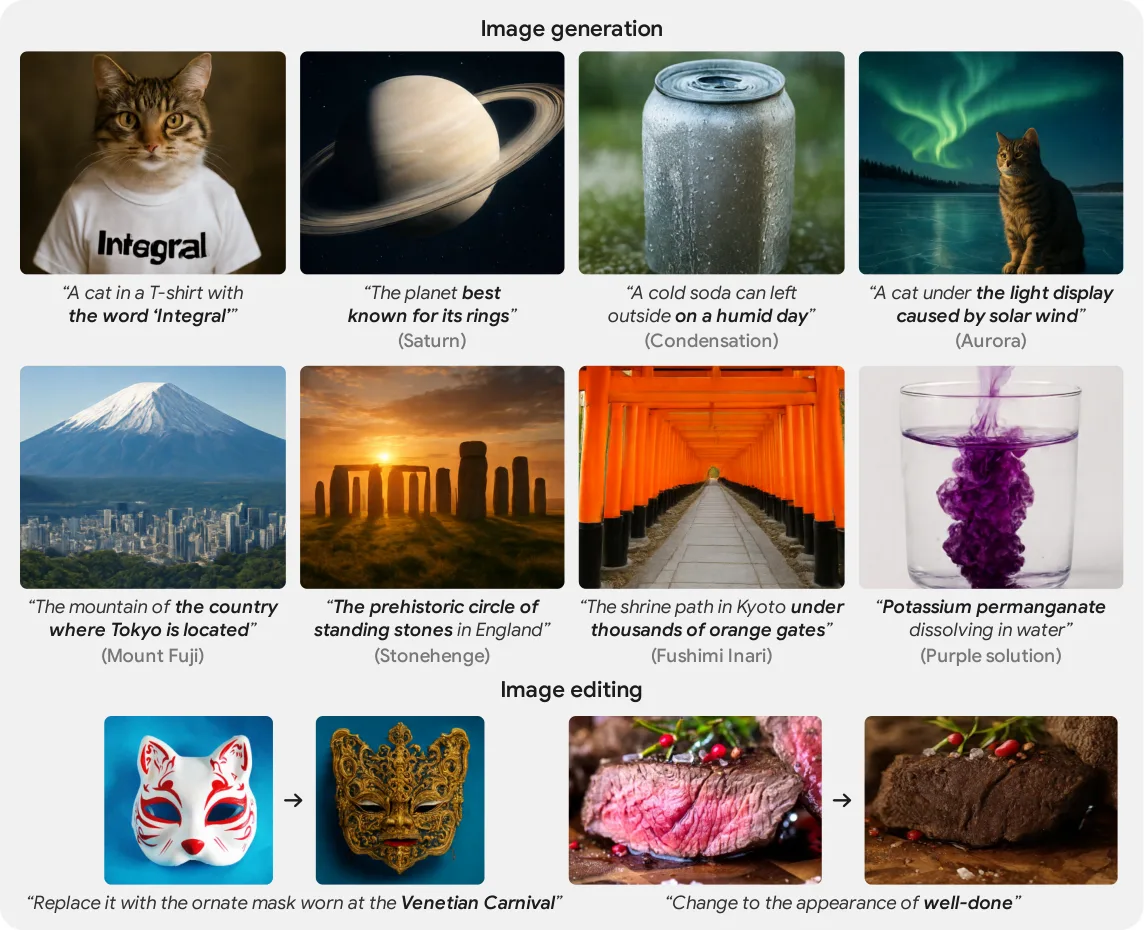
Integral turns a vision-language model into a unified image generator
Integral converts a pretrained vision-language model into a unified model that both understands and generates images, using shared visual tokens and a lightweight generative stream. The authors report that understanding ability is preserved while generation improves.
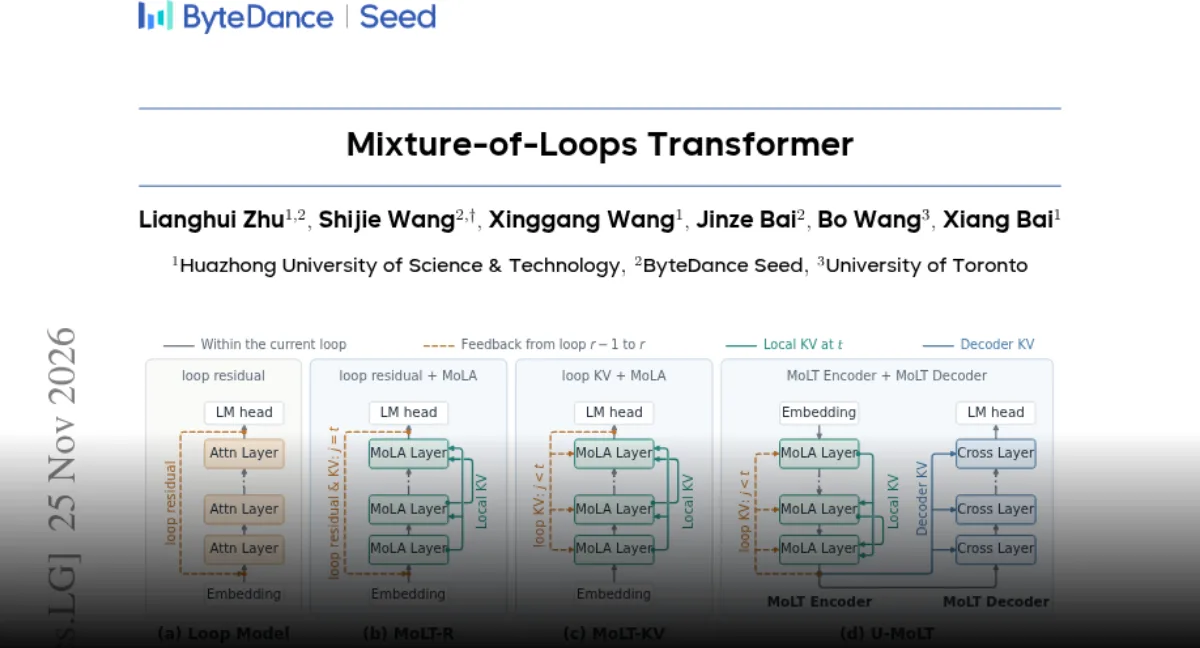
Mixture-of-Loops Transformer reuses layers to improve expressivity and efficiency
Researchers introduce MoLT, a looped Transformer that passes keys and values between loops as memory instead of the full residual stream. The U-shaped variant reportedly outperforms OLMo3 across 700M, 1.5B dense and 3B MoE models in 400B-token pretraining.
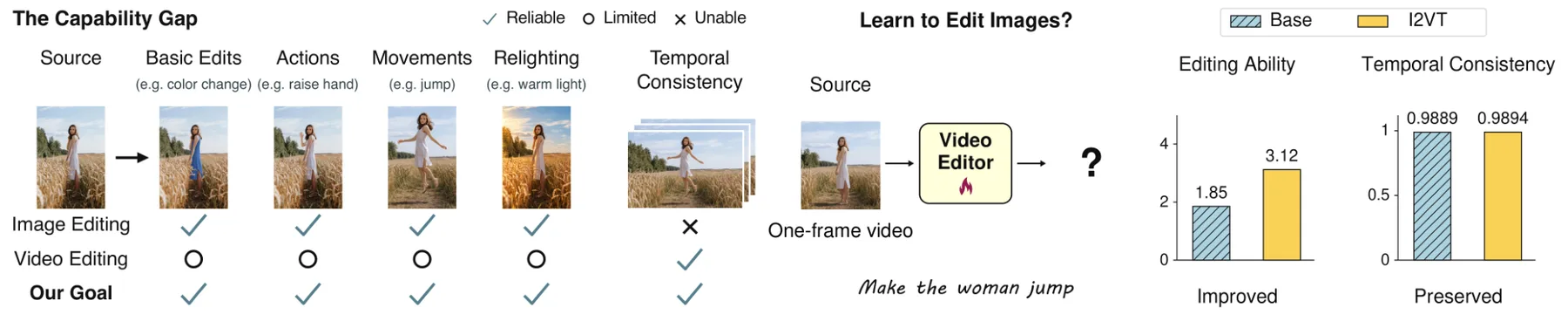
I2VT transfers image editing skills to video editors without new video data
Image-to-Video Transfer uses an image editor to guide a pretrained video editor, treating single images as one-frame videos. The authors also extend their benchmark, OpenVE++, with four new tasks including action changes, expression changes and scene relighting.
Spotted a mistake? Email hello@capylaunch.com and we will correct it. How we make CapyLaunch TLDR News.