

Site tracks diseases said to be cured by AI
Disease Cured by AI (independent site)
A new website called Disease Cured by AI collects claims that AI has cured diseases. It drew 246 points on Hacker News, but the source gives no details of the individual claims.
Source: diseasescuredbyai.com ↗ · By CapyLaunch
Quick facts
| AI drugs approved | None, as of November 2026, per the site |
|---|---|
| Candidates in human trials | 117 from 63 companies, as of July 2025 |
| Furthest candidate | Rentosertib (Insilico Medicine), Phase III for lung fibrosis |
| FDA-authorized AI devices | 1,614, mostly for radiology |
| AI drug-discovery market | $6.93B in 2025 |
What is it
Disease Cured by AI is a public ledger that tracks how many diseases have been cured by AI-discovered treatments. As of its November 26, 2026 snapshot, the count is zero. The site is a static snapshot and does not poll the FDA live.
How it works
The site counts a therapy only when it meets three tests: AI-discovered target and molecule, approval by the FDA, EMA, or an equivalent regulator for that disease, and a demonstrated cure. It lists what does not count, such as AI scan reading, protein prediction, drugs still in trials, and lab assistance.
Why it matters
The site sets a strict bar for a cure claim: AI must have chosen the target and molecule, a regulator must have approved the drug, and patients must be cured. Builders can use this as a reference when judging AI medical claims. Detecting disease, predicting protein shapes, and lab help do not count as cures.
For builders: Treat AI medical claims with caution; check the underlying evidence before building on any cure-related claim.
Who + how to try
For: Developers, indie makers and founders who want to check AI medical claims before building on them.
Try:
FAQ
Has any disease been cured by an AI-discovered drug?
No. The site reports zero diseases cured by an AI-discovered treatment, and no AI-discovered drug has been approved by the FDA or EMA as of November 2026.
Which candidate is closest to a first cure?
Rentosertib from Insilico Medicine is the furthest along, in Phase III for idiopathic pulmonary fibrosis. The site notes that even success would first be a treatment, not yet a cure.
Does reading a scan with AI count as a cure?
No. The site says detecting disease is not curing it, and AI-authorized devices, mostly for radiology, do not count toward the total.
Also new this week in Research
All 37 Research stories →
Hugging Face explains how to build, train and evaluate multi-agent systems
Hugging Face published a guide covering how to build, train and evaluate systems made of multiple AI agents working together. The source text provided is only a title, so details beyond that are not confirmed here.
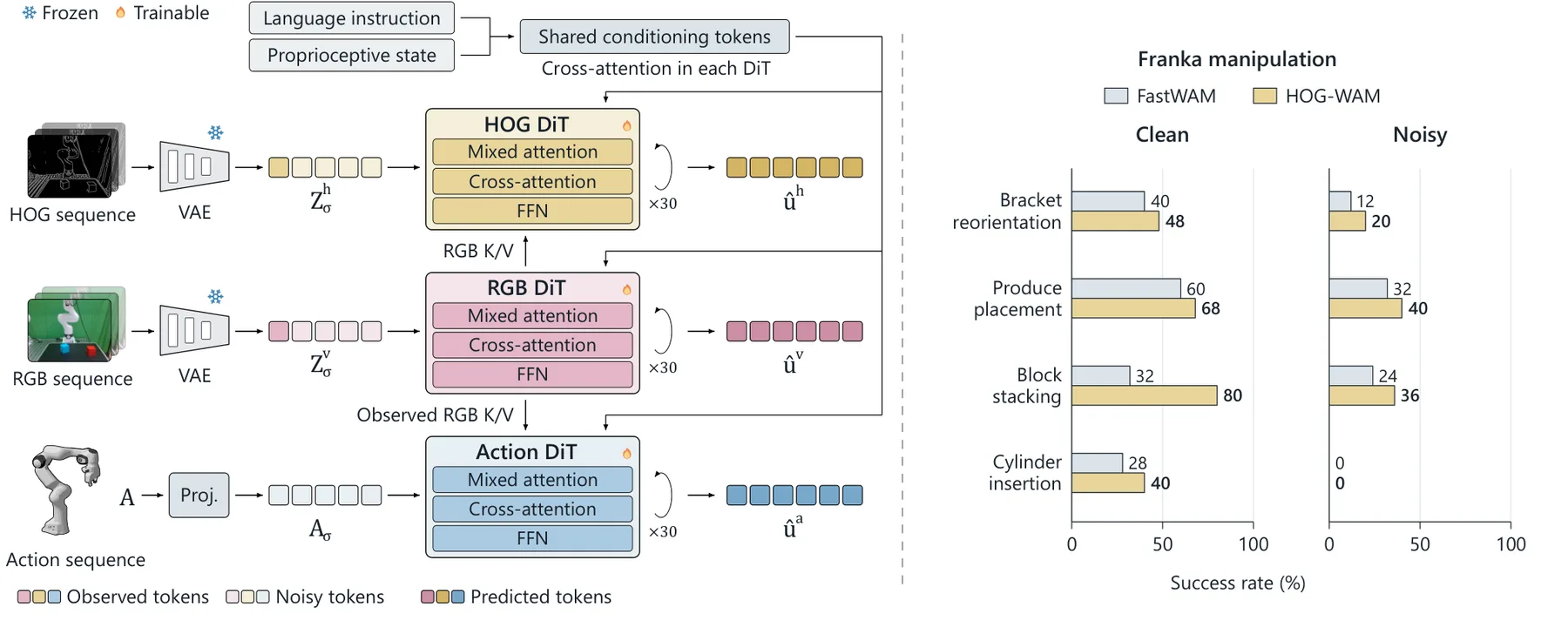
HOG-WAM: gradient-based training signal makes robot policies sturdier
HOG-WAM adds future Histograms of Oriented Gradients as an auxiliary training target for a world-action robot policy, and removes the module at inference. It reports higher success than FastWAM under four visual corruptions and on LIBERO Plus.
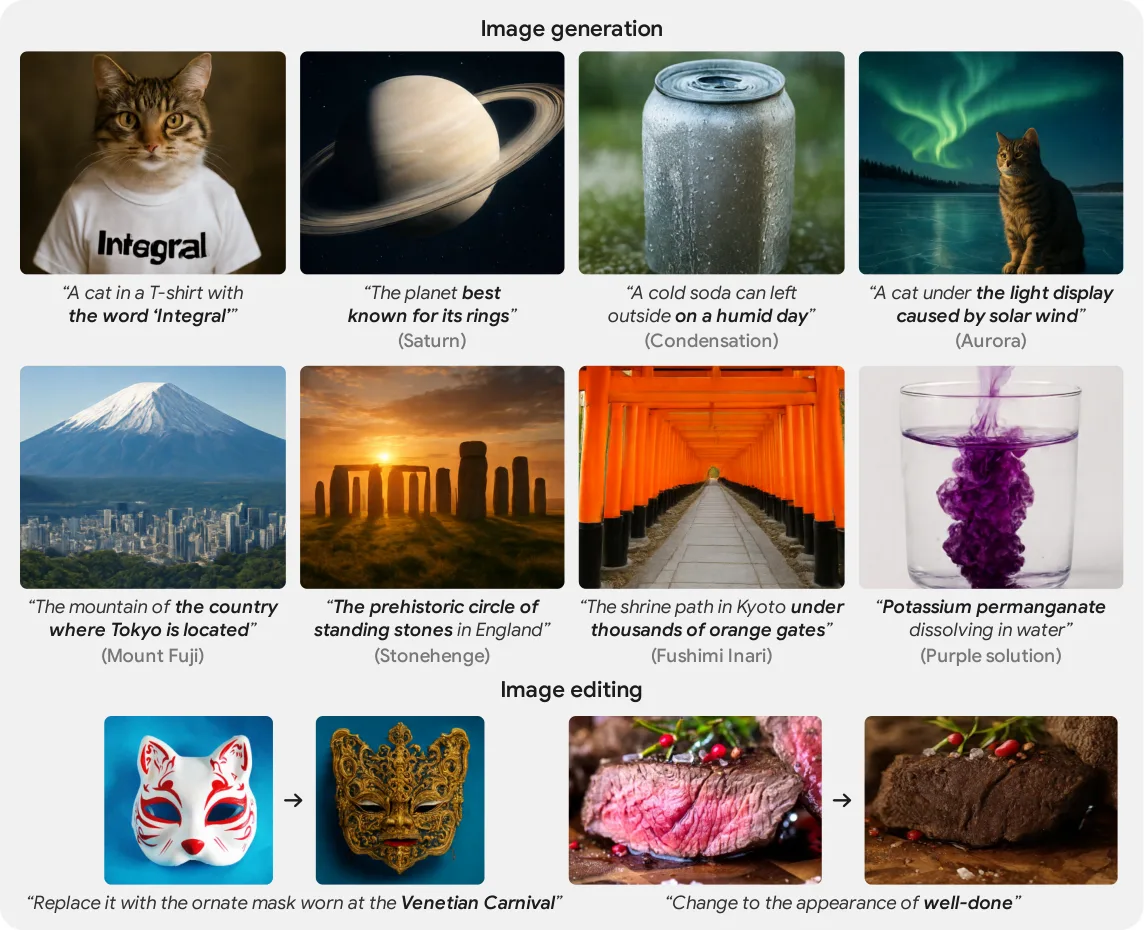
Integral turns a vision-language model into a unified image generator
Integral converts a pretrained vision-language model into a unified model that both understands and generates images, using shared visual tokens and a lightweight generative stream. The authors report that understanding ability is preserved while generation improves.

Mixture-of-Loops Transformer reuses layers to improve expressivity and efficiency
Researchers introduce MoLT, a looped Transformer that passes keys and values between loops as memory instead of the full residual stream. The U-shaped variant reportedly outperforms OLMo3 across 700M, 1.5B dense and 3B MoE models in 400B-token pretraining.
Spotted a mistake? Email hello@capylaunch.com and we will correct it. How we make CapyLaunch TLDR News.