

Fireship: AI-generated Lean proof claims to tackle the Riemann Hypothesis
Fireship
Fireship covers a 41-day conversation with Claude that produced 17 million lines of Lean code claiming to prove the Riemann Hypothesis. The video examines the claim.
Source: youtube.com ↗ · By CapyLaunch
What happened
Fireship covers a 41-day conversation with Claude that produced 17 million lines of Lean code claiming to prove the Riemann Hypothesis. The video examines the claim.
Why it matters
For builders: Treat large AI-generated formal proofs with skepticism until they are checked, and note how Lean can be used to verify such output.
Also new this week in Research
All 26 Research stories →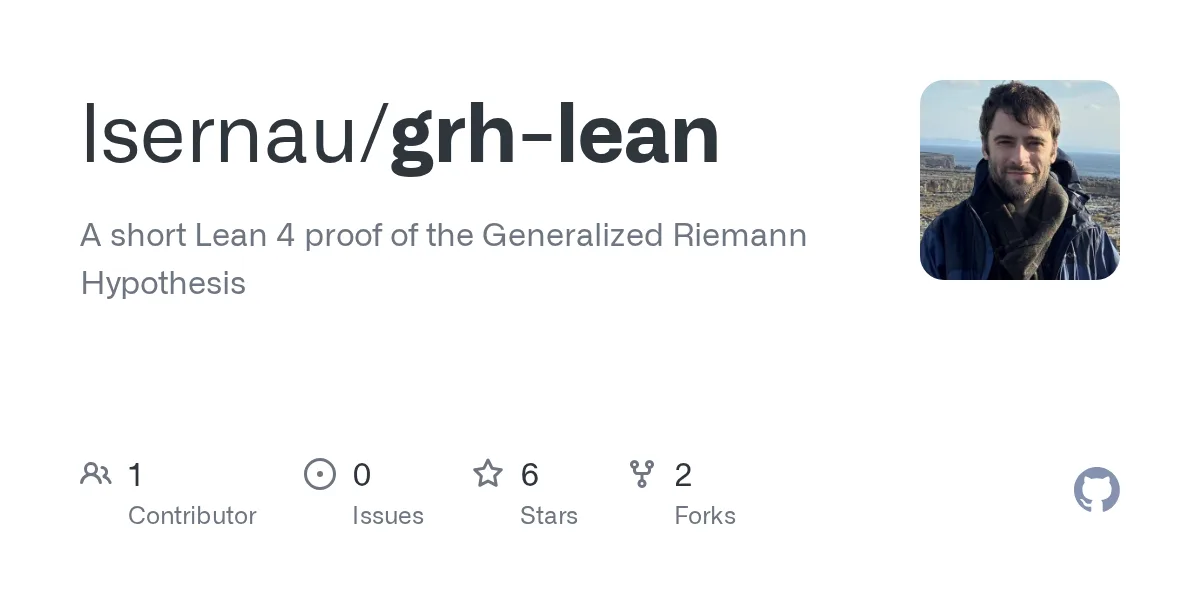
Anthropic shares a much shorter Lean verification of the GRH proof
A GitHub repository by lsernau posts a much shorter version of a Lean formal verification of the Generalized Riemann Hypothesis work attributed to Anthropic. It drew 200 points on Hacker News.
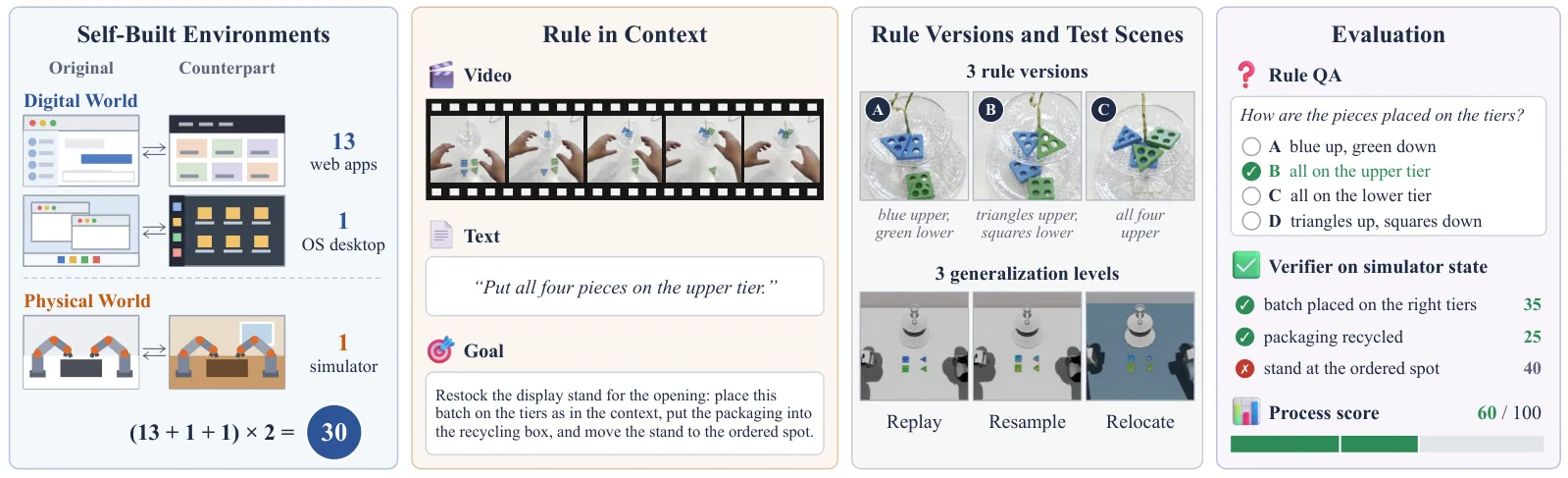
ICLWorld benchmark tests agents learning rules in context, from computers to robots
Researchers released ICLWorld, an online benchmark with 30 environments and 160 tasks that measures how well AI agents learn new rules from context. The strongest agents reached 82% and 76% success on computer-use runs but only 27% and 26% on robot-use runs.
Where scientists draw the line on AI agents
Hugging Face published a blog post on where scientists are setting boundaries for AI agents. The source text provided is empty, so the specific positions described are not available here.
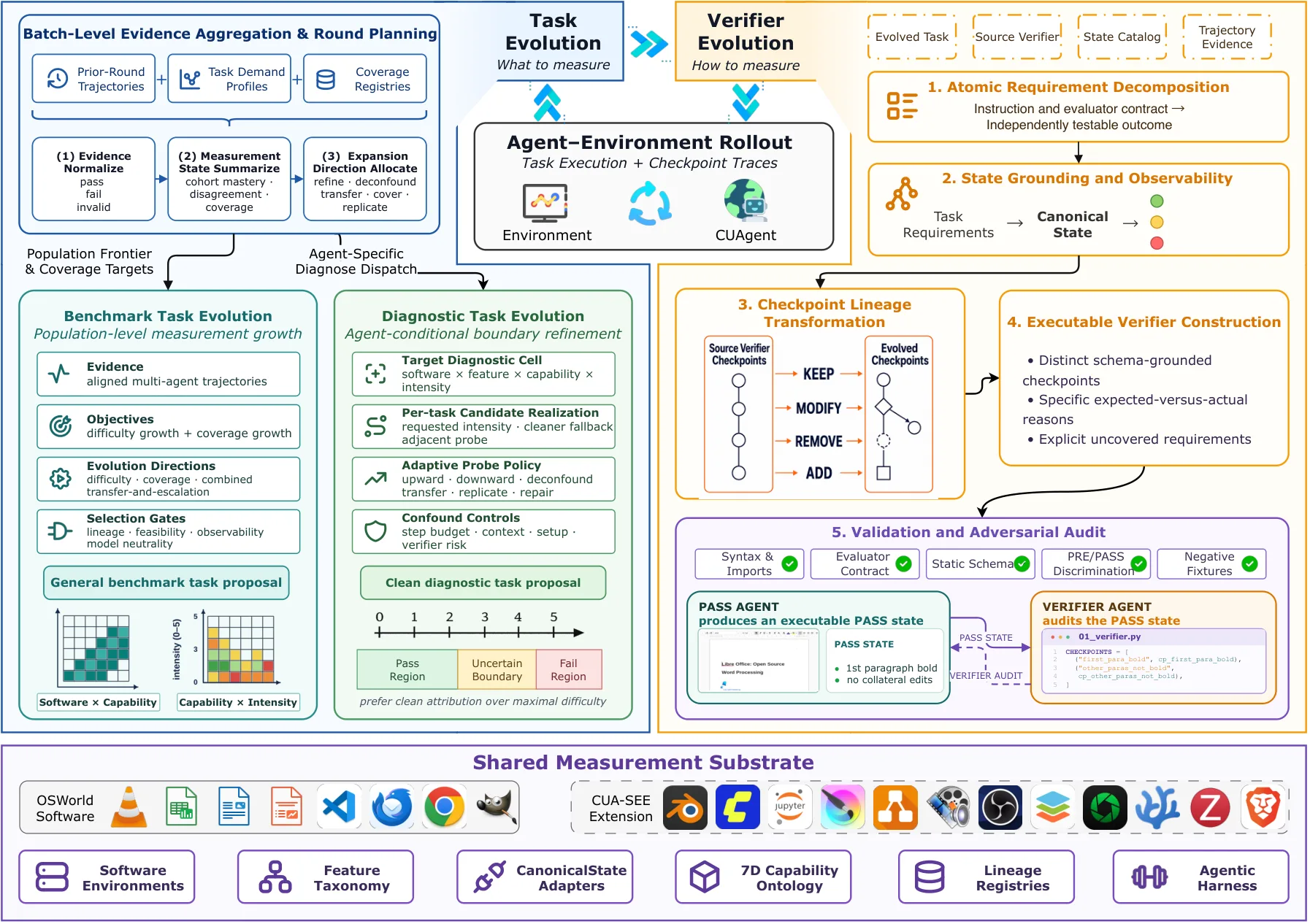
Research: CUA-SEE co-evolves tasks and verifiers for computer-use agent evaluation
A paper introduces CUA-SEE, an evaluation environment that generates new tasks and executable verifiers from rollout evidence, so benchmarks keep their difficulty and coverage as agents improve. It targets the weakness of static benchmarks for computer-use agents.
Spotted a mistake? Email hello@capylaunch.com and we will correct it. How we make CapyLaunch TLDR News.