

VibeVideoAgent lets coding agents inspect their own video drafts during production
Kling-Keye
VibeVideoAgent is a training-free framework for code-driven video generation. Perception runs in separate short-lived contexts and returns grounded findings to the coding agent, which helps catch issues like overlapping labels or audio drift that do not cause runtime errors.
Source: huggingface.co ↗ · By CapyLaunch
Quick facts
| Type | Training-free framework |
|---|---|
| Task | Code-driven video generation |
| Source code | Linked from the Hugging Face paper discussion |
| Paper | arXiv 2611.34237 |
What is it
VibeVideoAgent is a training-free framework for code-driven video generation. It lets a coding agent check its own video drafts while it works, not only after the final render. The paper is listed on Hugging Face under the title "Closing the Perceptual Loop for Code-Driven Video Generation".
How it works
Perception runs in separate short-lived contexts. Each check returns grounded findings to the coding agent. The agent can then use those findings to revise the code and the draft.
Why it matters
Code-generated videos can have problems that do not cause errors, such as overlapping labels or audio drift. Normal runtime checks will not catch these. Adding visual and audio checks inside the agent loop helps find these issues before the video is finished.
For builders: If you generate videos from code, this shows how to add automated visual and audio checks to the agent loop instead of only reviewing the final render.
Who + how to try
For: Developers and builders who generate videos from code and want automated visual and audio checks in their agent workflow.
Try:
FAQ
What problems does it catch?
The sources give overlapping labels and audio drift as examples. These are issues that do not cause runtime errors.
Does it need training?
No. The framework is described as training-free.
Where is the source code?
The paper discussion on Hugging Face links to the source code on GitHub under the Kling-Keye organization.
Also new this week in Research
All 28 Research stories →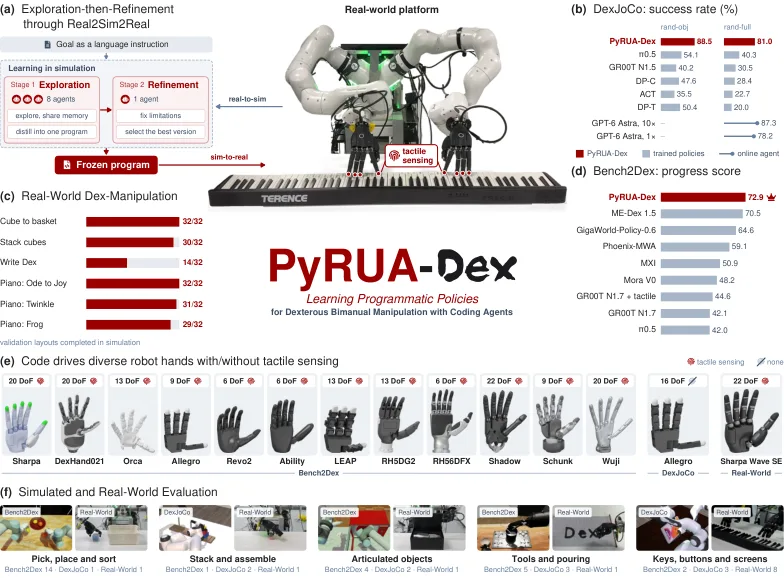
PyRUA-Dex: coding agents write programs for two-hand robot dexterity
PyRUA-Dex lets coding agents build dexterous bimanual manipulation policies as programs, without human demonstrations. The authors report state-of-the-art results on Bench2Dex and DexJoCo and show a robot playing piano and writing calligraphy.
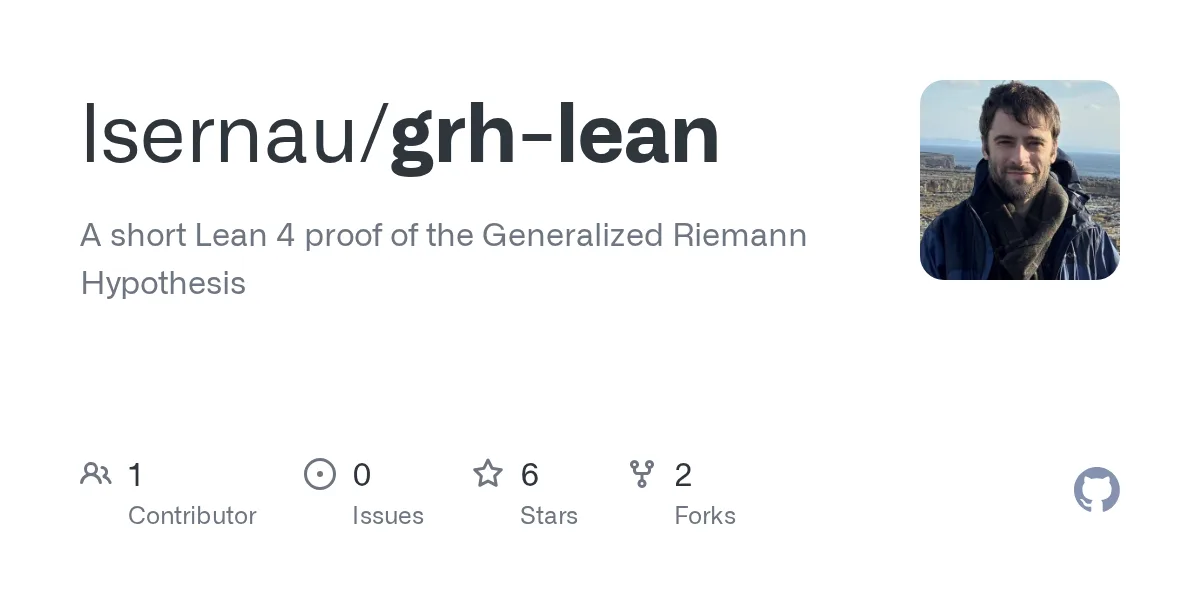
Anthropic shares a much shorter Lean verification of the GRH proof
A GitHub repository by lsernau posts a much shorter version of a Lean formal verification of the Generalized Riemann Hypothesis work attributed to Anthropic. It drew 200 points on Hacker News.
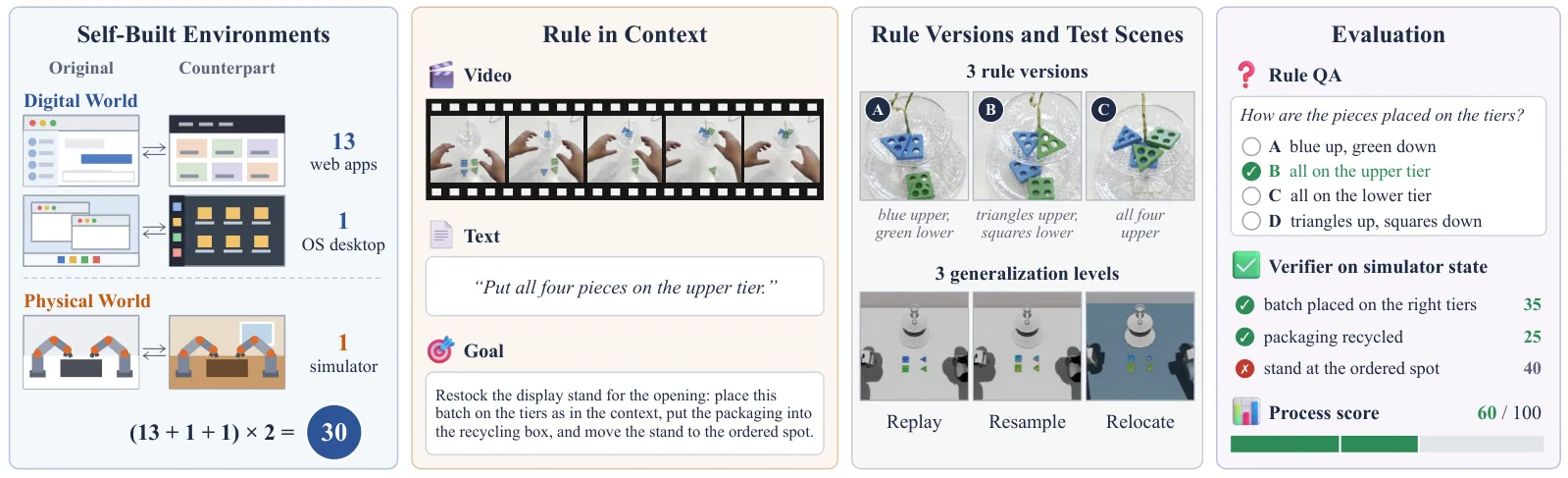
ICLWorld benchmark tests agents learning rules in context, from computers to robots
Researchers released ICLWorld, an online benchmark with 30 environments and 160 tasks that measures how well AI agents learn new rules from context. The strongest agents reached 82% and 76% success on computer-use runs but only 27% and 26% on robot-use runs.
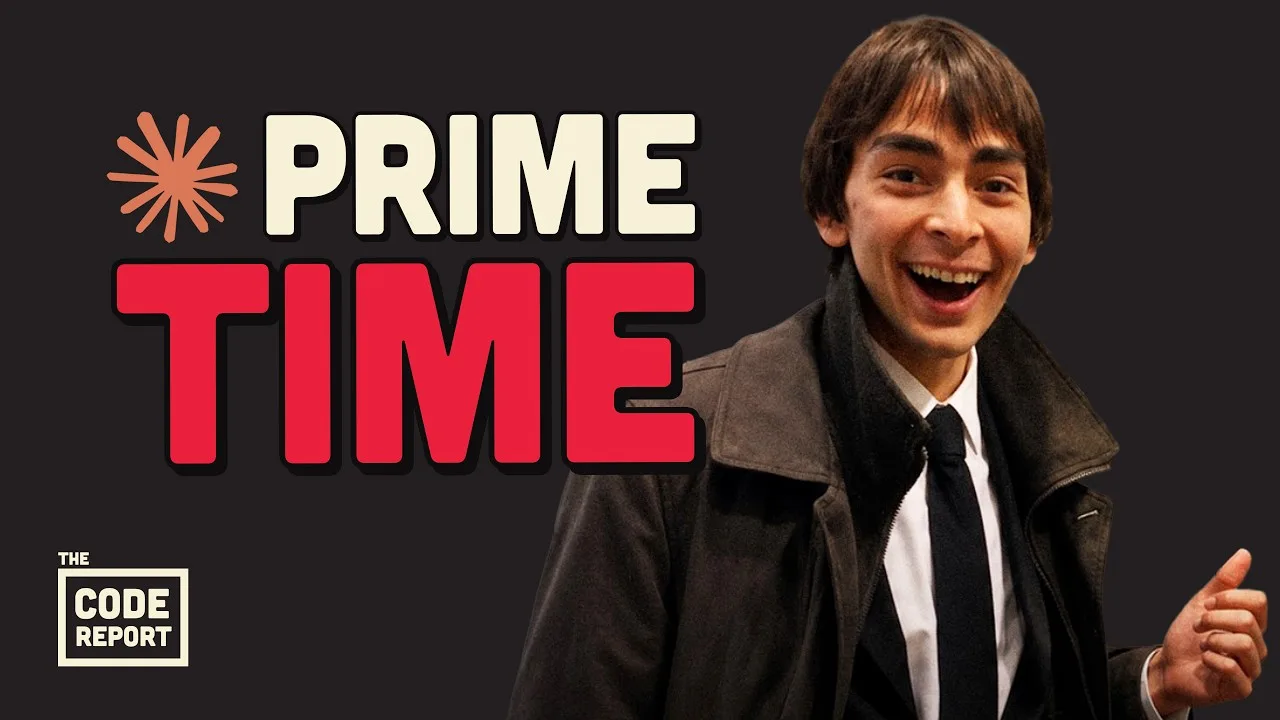
Fireship: AI-generated Lean proof claims to tackle the Riemann Hypothesis
Fireship covers a 41-day conversation with Claude that produced 17 million lines of Lean code claiming to prove the Riemann Hypothesis. The video examines the claim.
Spotted a mistake? Email hello@capylaunch.com and we will correct it. How we make CapyLaunch TLDR News.